A yearly horoscope based only on your Moon sign gives the same text to one-twelfth of everyone. A Varshaphal starts from your own birth and builds a fresh chart for each year of life, so astrologers use it when they want a reading for one specific year.
What a Varshaphal is
Varshaphal means "the fruit of the year". The method comes from the Tajika branch of Vedic astrology. Each year, the Sun returns to the exact sidereal degree it held at your birth. That moment is called Varsha Pravesh, and a chart is cast for it, at your birth place, to represent the year that follows. It is the Vedic counterpart of the solar return used in Western astrology, with two differences: the sidereal zodiac is used, and the Tajika method adds its own set of tools.
Because the Sun's return takes a little more or less than a calendar year, the moment shifts by a few hours each year, and the annual chart's Ascendant changes with it. That is why every year's chart looks different even though the birth chart never changes.
What the annual chart adds
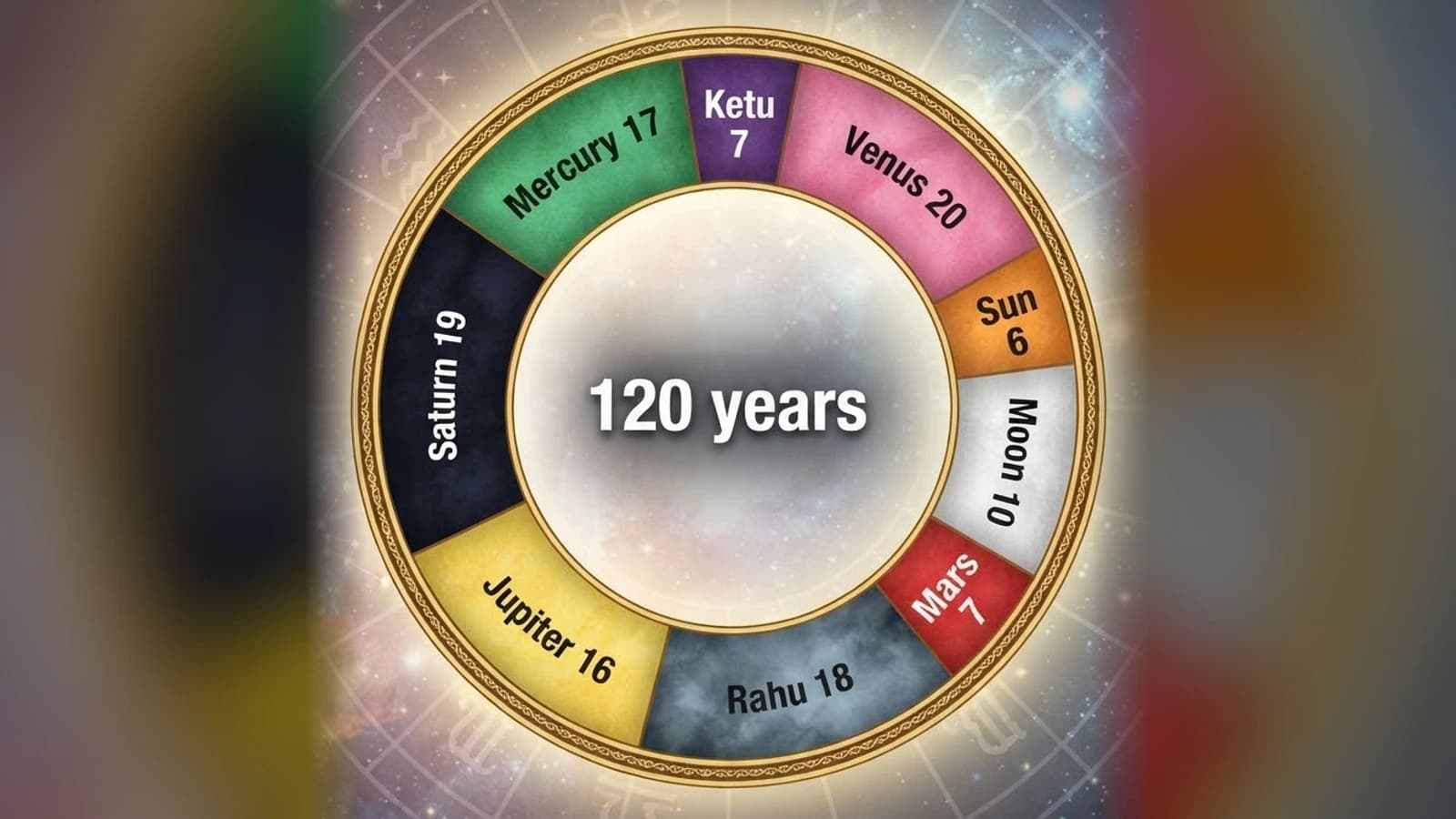
Tajika practice leans on a few tools. The Ascendant and houses of the Varsha chart set which areas of life are in focus for the year. Muntha is a point that moves one sign forward each year from the birth Ascendant, and its house in the Varsha chart shows the theme the year emphasises. One planet is chosen by a set of rules as the Year Lord, and its condition in the annual chart colours the whole year. Mudda Dasha fits the Vimshottari proportions into a single year, giving a timeline of months. Tajika aspects and yogas are a separate set of planetary relationships used only in annual charts.
Different authors and software choose different options for some of these, so two sources can disagree on the Year Lord or the Mudda Dasha dates without either being wrong. Any report should say which method it follows.
What is the same for everyone in 2027
The annual chart is personal, but the sky that year is shared, and three slow movements shape every 2027 reading. Each page has exact dates from Aroha's engine:
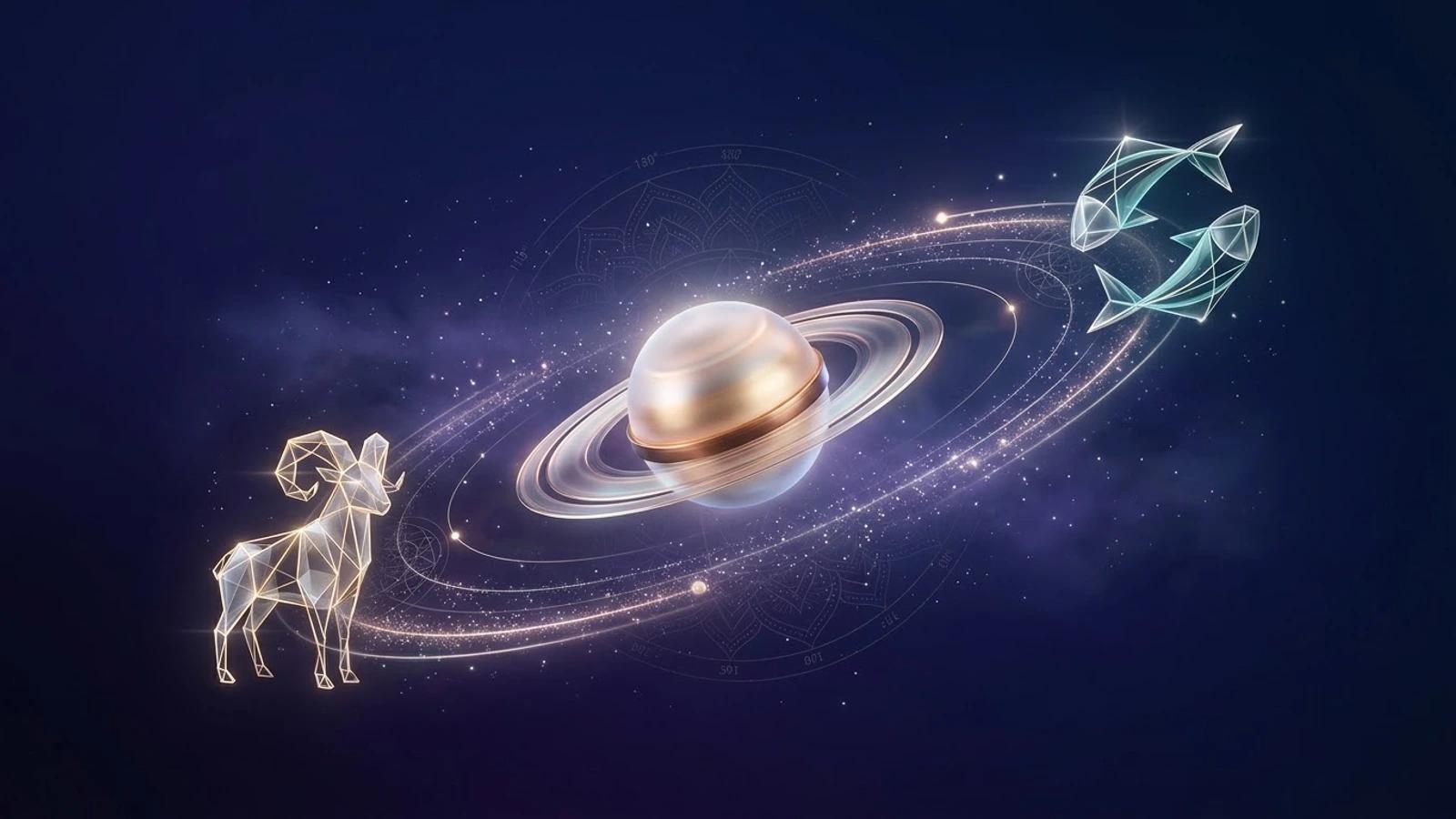
- Saturn enters Aries on 3 June, turns retrograde on 9 August and returns to Pisces on 20 October. See the Saturn transit 2027 guide and the Sade Sati and Dhaiya list.
- Jupiter slips back into Cancer on 25 January, returns to Leo on 26 June and enters Virgo on 26 November. See the Jupiter transit 2027 guide.
- Rahu and Ketu stay in Capricorn and Cancer all year. See the Rahu and Ketu 2027 guide.
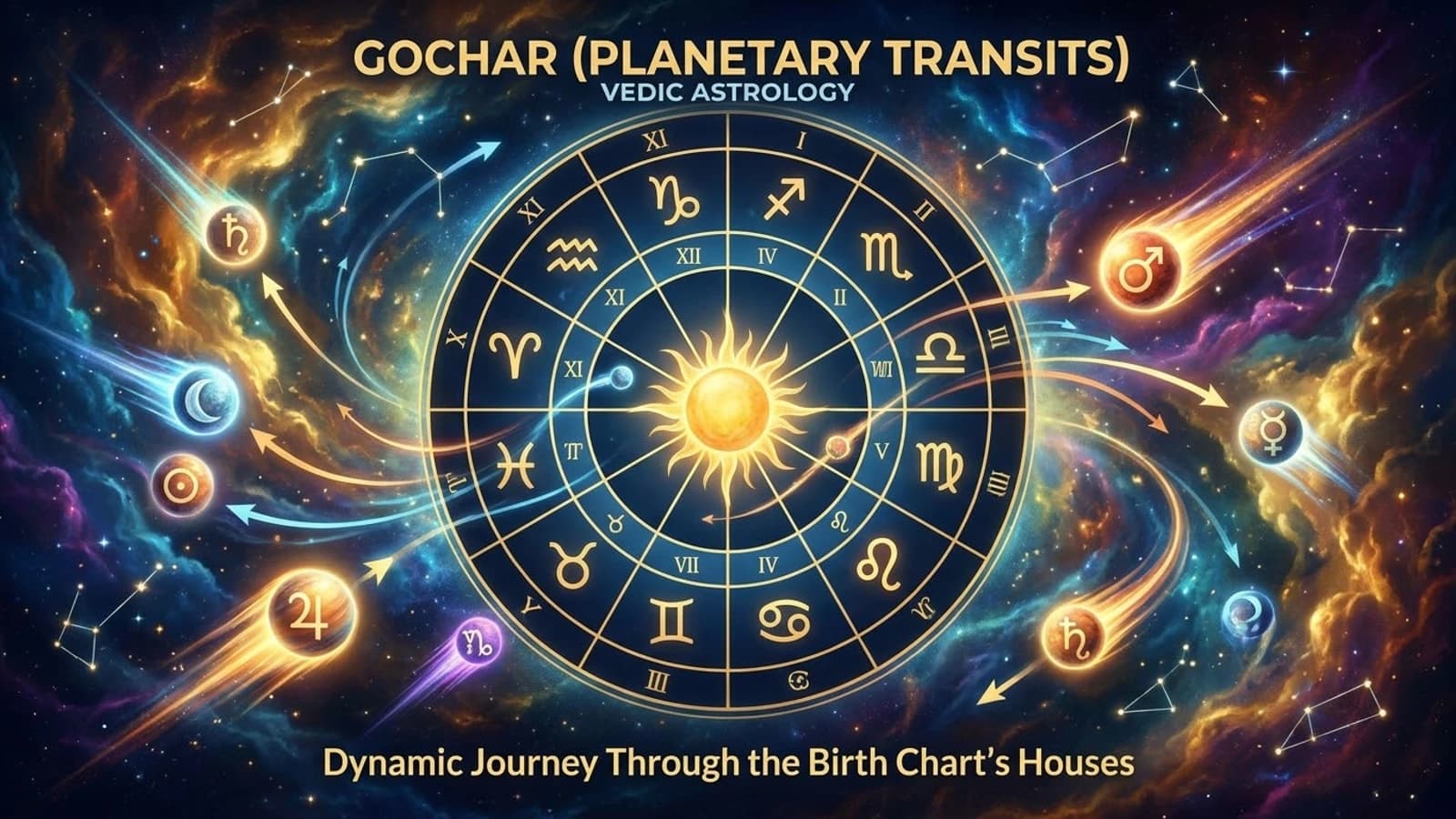
A Varshaphal reads these transits against the annual chart as well as the birth chart, which is one reason the same Saturn move can read differently from one year to the next for the same person.
What it cannot do
Varshaphal gives a frame for the year. It cannot name a date for a particular outcome and it does not override the birth chart. Astrologers weigh it with the Dasha and with transits, and they disagree about how much weight it deserves. Treat any single annual reading, including a good-looking one, as one input among several.
Getting the inputs right
The annual chart is only as good as the birth data behind it. The birth time has to be accurate, because the Varsha Ascendant and the Muntha shift with it, and a few minutes can matter. If you do not know your birth time, read how to find an unknown birth time before trusting any annual chart. To see your birth chart, generate your free Kundli and note your Lagna and Moon sign, the two reference points the rest builds on. The Vimshottari Dasha guide explains the period system that runs alongside.