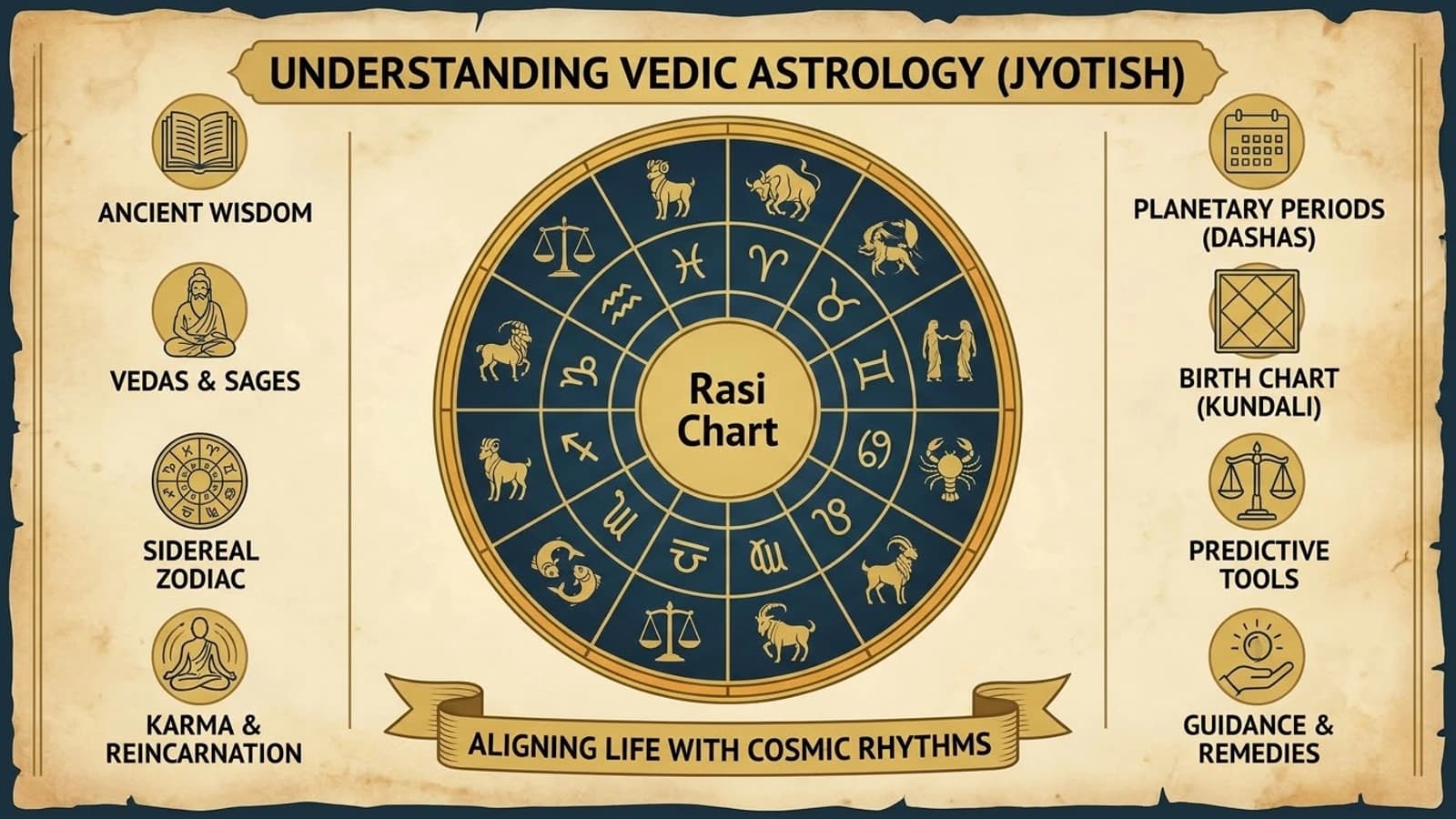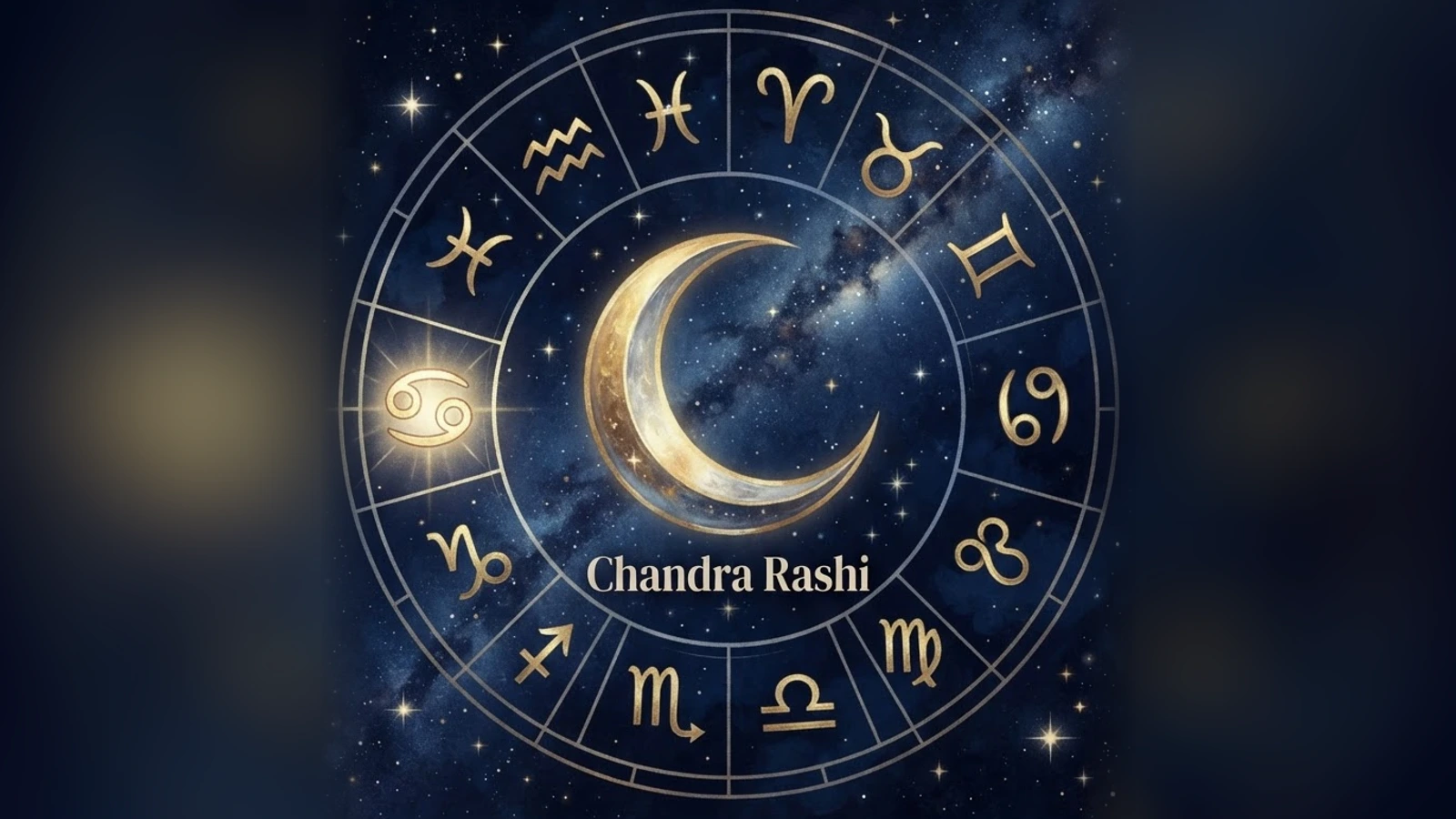
If you've only ever read a Western horoscope column, you've been reading your Sun sign. In Vedic astrology (Jyotish), the Sun sign matters too, but it's rarely the placement Indian astrologers lead with. The one they ask for first is your Moon sign, in Sanskrit, your Chandra Rashi.
What the Moon sign actually is
Your Moon sign is simply the zodiac sign the Moon was passing through at the exact moment you were born. Just as the Sun appears to move through all twelve signs over a year, the Moon does the same circuit, but much faster, completing it in about 27.3 days rather than 365.
That single fact is why Vedic astrology treats the Moon sign as, at minimum, equally important to the Sun sign, and in many traditional readings, more important. The Sun sign describes your core identity and ego: who you're becoming. The Moon sign describes your mind, your emotional patterns, and your instinctive, unfiltered reactions: who you are when nobody's watching. In classical Jyotish, the Moon is called the karaka (significator) of the mind itself. When people ask "what's your rashi?" in India, they are almost always asking for your Moon sign, not your Sun sign.
Why it's tied to the Nakshatra
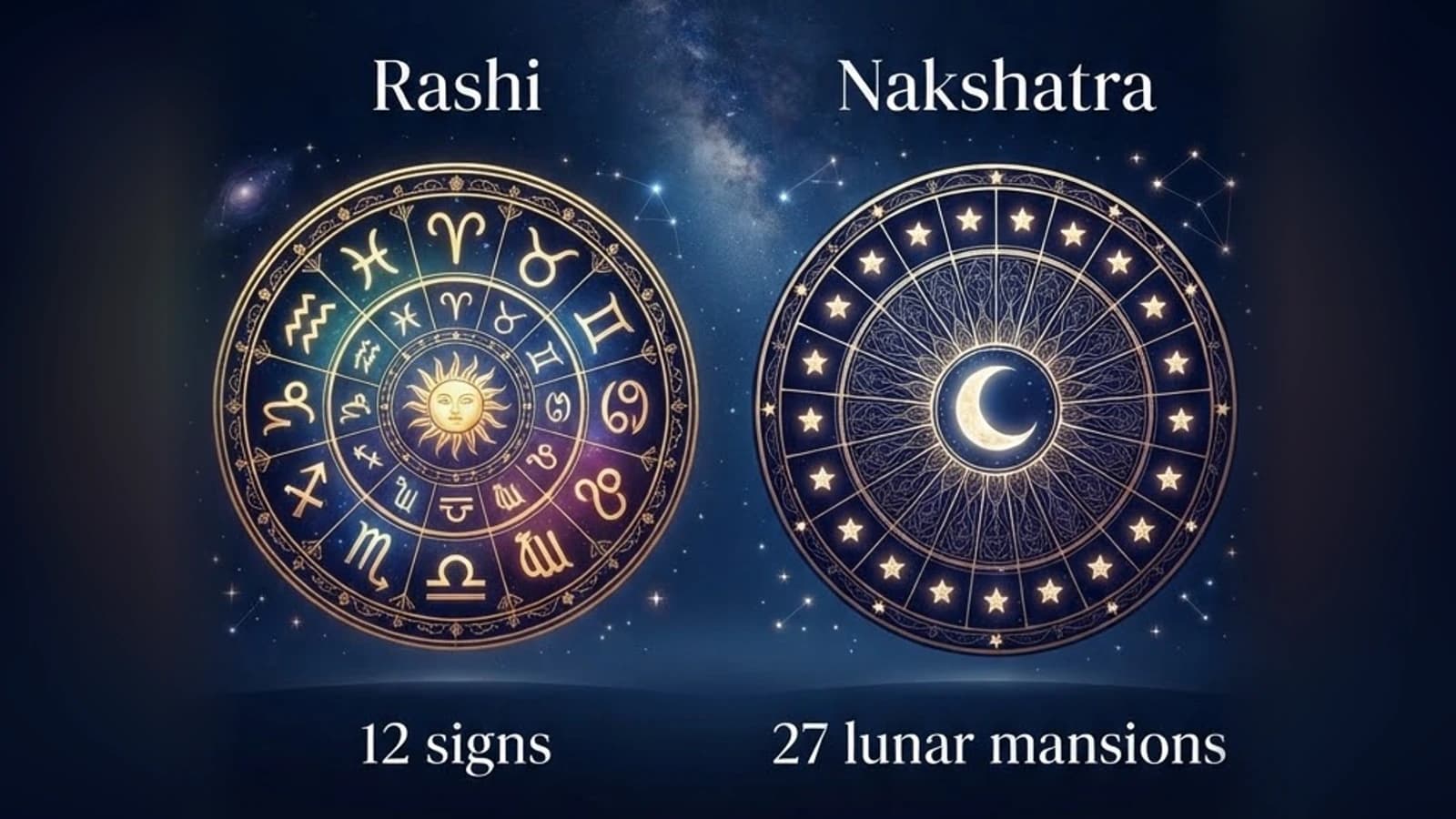
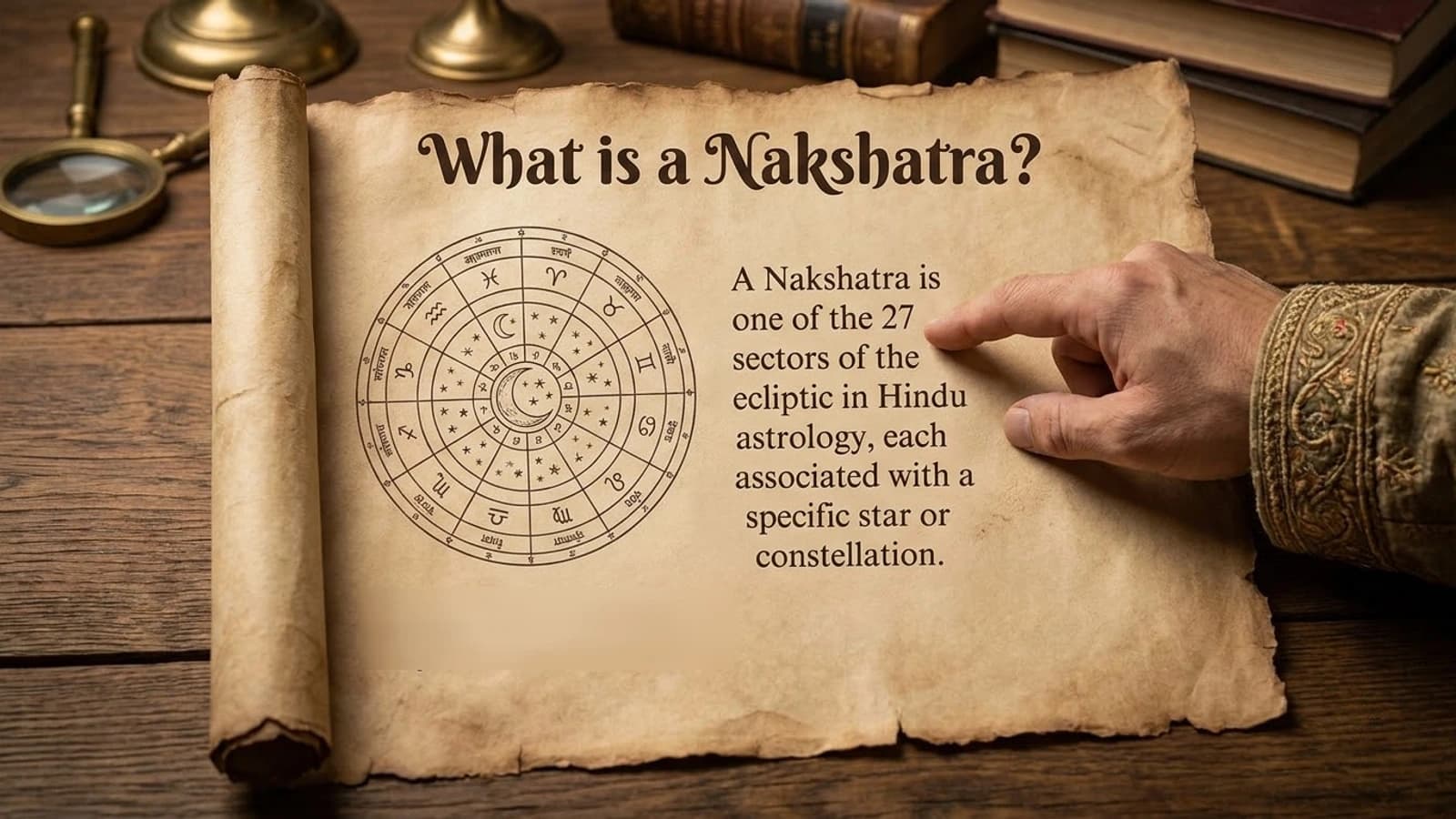
Your Moon's exact degree at birth doesn't just place it in one of the 12 signs. It also places it within one of the 27 Nakshatras, the lunar mansions that divide the zodiac into finer segments of roughly 13°20' each. Each Nakshatra is further split into four Padas (quarters). Traditionally, your Nakshatra Pada has been used to derive the first syllable of a person's given name, and Nakshatra compatibility between two people's Moon positions is one of the central pillars of Vedic marriage matching (Guna Milan). None of that is available to you unless you know your Moon sign precisely: the sign alone is the entry point, but the Nakshatra is where the finer-grained tradition lives.
Why it changes every 2-3 days
The Moon moves at roughly 13 degrees per day across the sky. Since each zodiac sign spans 30 degrees, the Moon spends only about two to two-and-a-half days in any given sign before crossing into the next one. Compare that to the Sun, which takes roughly a month to cross a single sign, stable enough that a birth date alone is enough to fix a Sun sign.
The Moon offers no such shortcut. Two people born on the same date, even in the same city, can easily have different Moon signs if one was born just before midnight and the other just after, and the Moon happened to change signs somewhere in between. A generic horoscope column that only asks for your birth month is, by construction, incapable of telling you your real Moon sign.
Why an accurate birth time matters
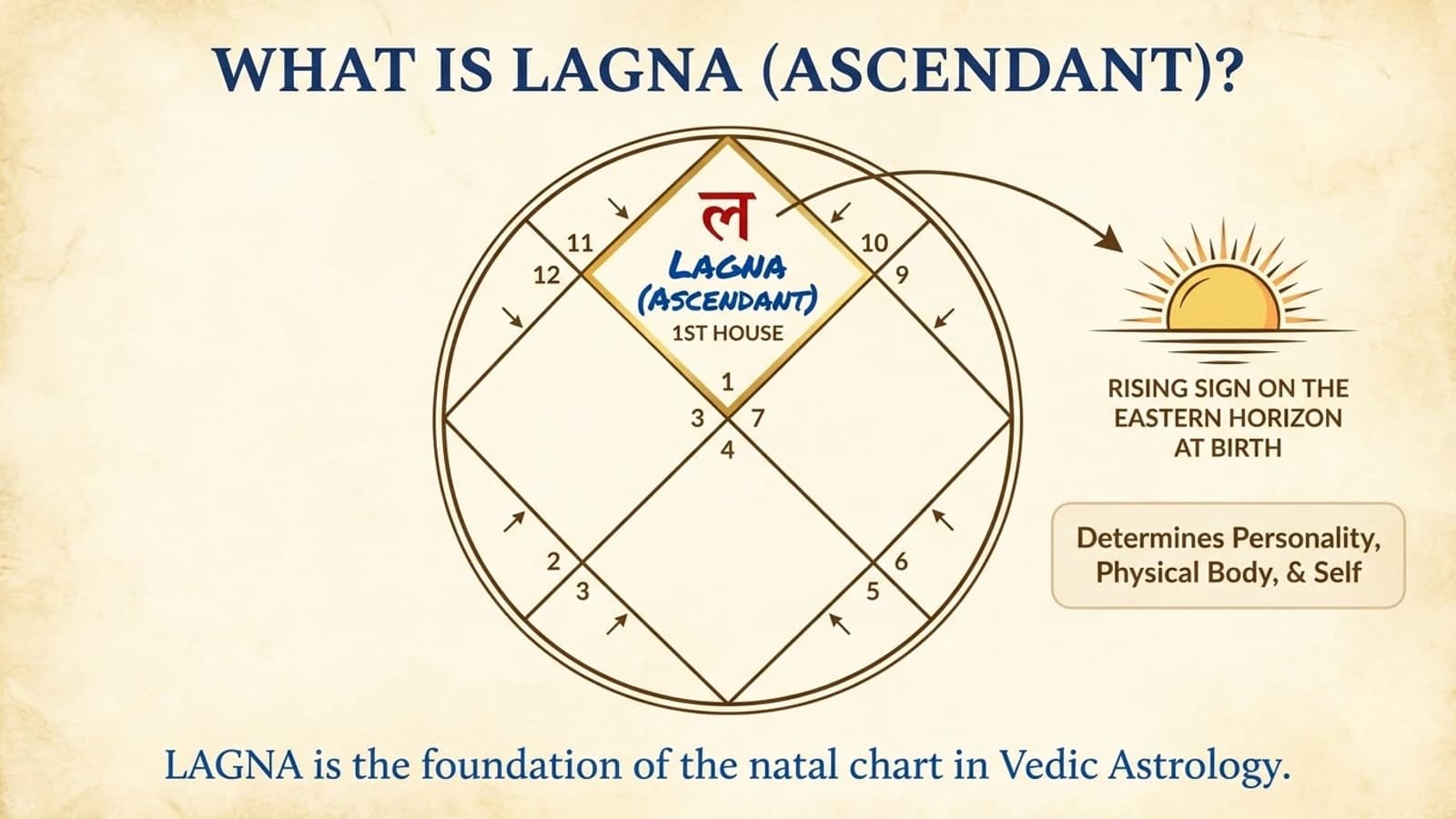
Because the Moon's position has to be calculated for your exact birth moment, not just your birth date. Getting your correct Moon sign requires the same rigor that goes into a full birth chart (Kundli): your date, your time to the minute if possible, and your birth location, run through precise astronomical calculations rather than a lookup table. A time error of even an hour or two, right around a sign change, is enough to shift your calculated Moon sign entirely.
This is also why "guess your Moon sign" quizzes that just ask what month you were born can't actually work. They're structurally answering a different, much coarser question than the one Vedic astrology is asking.
Find your real Moon sign
The only way to know your Chandra Rashi with confidence is to have it calculated properly from your birth details. Calculate your real Moon sign free using accurate astronomical positions for the exact date, time, and place you were born.