Hindu festivals follow the lunar calendar, so their Gregorian dates move from year to year. The dates below are for New Delhi. Each one was checked against Aroha's panchang engine and against a published almanac for the same city.
How to read these dates
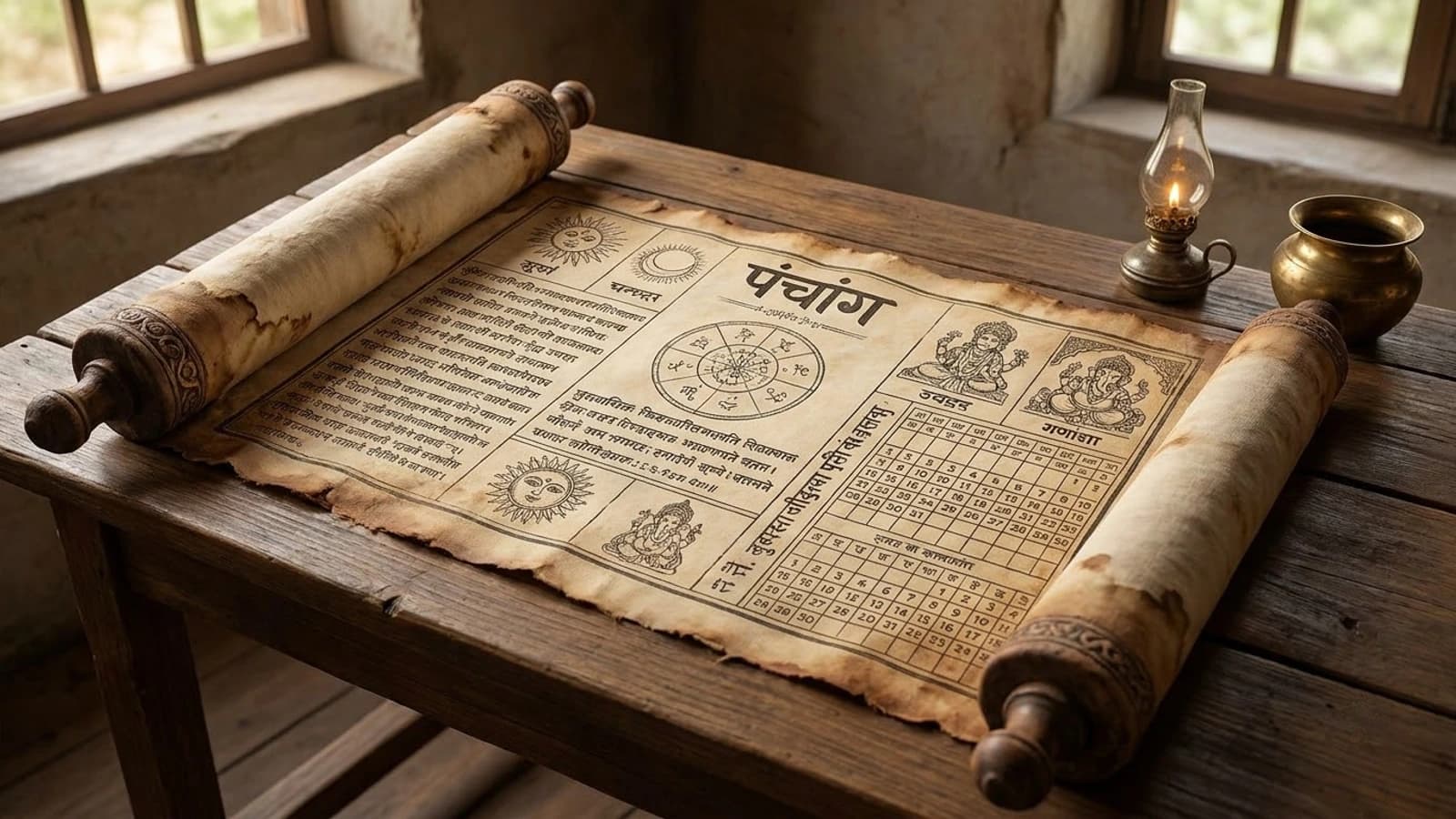
A festival is tied to a tithi, a lunar day, and each festival has its own rule for which time of day the tithi must cover. Holika Dahan needs Purnima at sunset, Janmashtami at midnight, Karwa Chauth at moonrise. The Panchang guide explains the five parts of a Panchang. That is why a festival date can differ from the tithi at sunrise on the same day, and why a city with a different sunrise can land a day away. For your own place, open the Panchang.
January to March
| Date | Festival |
|---|---|
| Thursday, 14 January | Lohri |
| Friday, 15 January | Makar Sankranti and Pongal |
| Thursday, 11 February | Vasant Panchami |
| Saturday, 6 March | Maha Shivaratri |
| Sunday, 21 March | Holika Dahan |
| Monday, 22 March | Holi |
The Sun enters Capricorn at about 21:15 IST on 14 January, which is after sunset, so Makar Sankranti is kept on the 15th.
April to June
| Date | Festival |
|---|---|
| Wednesday, 7 April | Chaitra Navratri begins, with Ugadi and Gudi Padwa |
| Wednesday, 14 April | Baisakhi |
| Thursday, 15 April | Rama Navami |
| Tuesday, 20 April | Hanuman Jayanti |
| Sunday, 9 May | Akshaya Tritiya |
| Thursday, 20 May | Buddha Purnima |
| Sunday, 13 June | Ganga Dussehra |
July to September
| Date | Festival |
|---|---|
| Monday, 5 July | Jagannath Rath Yatra |
| Wednesday, 14 July | Devshayani Ekadashi, the start of Chaturmas |
| Sunday, 18 July | Guru Purnima |
| Tuesday, 17 August | Raksha Bandhan |
| Wednesday, 25 August | Krishna Janmashtami |
| Saturday, 4 September | Ganesh Chaturthi |
| Sunday, 12 September | Onam |
| Tuesday, 14 September | Ganesh Visarjan (Anant Chaturdashi) |
| Thursday, 16 September | Pitru Paksha begins |
| Wednesday, 29 September | Sarva Pitru Amavasya |
| Thursday, 30 September | Sharad Navratri begins (Ghatasthapana) |
Pitru Paksha runs from 16 to 29 September. Sarva Pitru Amavasya is on the 29th even though the sunrise tithi that morning is Chaturdashi (Amavasya is the sunrise tithi on the 30th), because Amavasya covers the afternoon of the 29th, when Shraddha is performed.
October to December
| Date | Festival |
|---|---|
| Thursday, 7 October | Durga Ashtami |
| Friday, 8 October | Maha Navami |
| Saturday, 9 October | Vijayadashami (Dussehra) |
| Monday, 18 October | Karwa Chauth |
| Wednesday, 27 October | Dhanteras |
| Thursday, 28 October | Narak Chaturdashi |
| Friday, 29 October | Diwali (Lakshmi Puja) |
| Saturday, 30 October | Govardhan Puja |
| Sunday, 31 October | Bhai Dooj |
| Thursday, 4 November | Chhath Puja |
| Wednesday, 10 November | Devuthani Ekadashi, the end of Chaturmas |
| Saturday, 13 November | Dev Diwali |
| Thursday, 9 December | Mokshada Ekadashi (Gita Jayanti) |
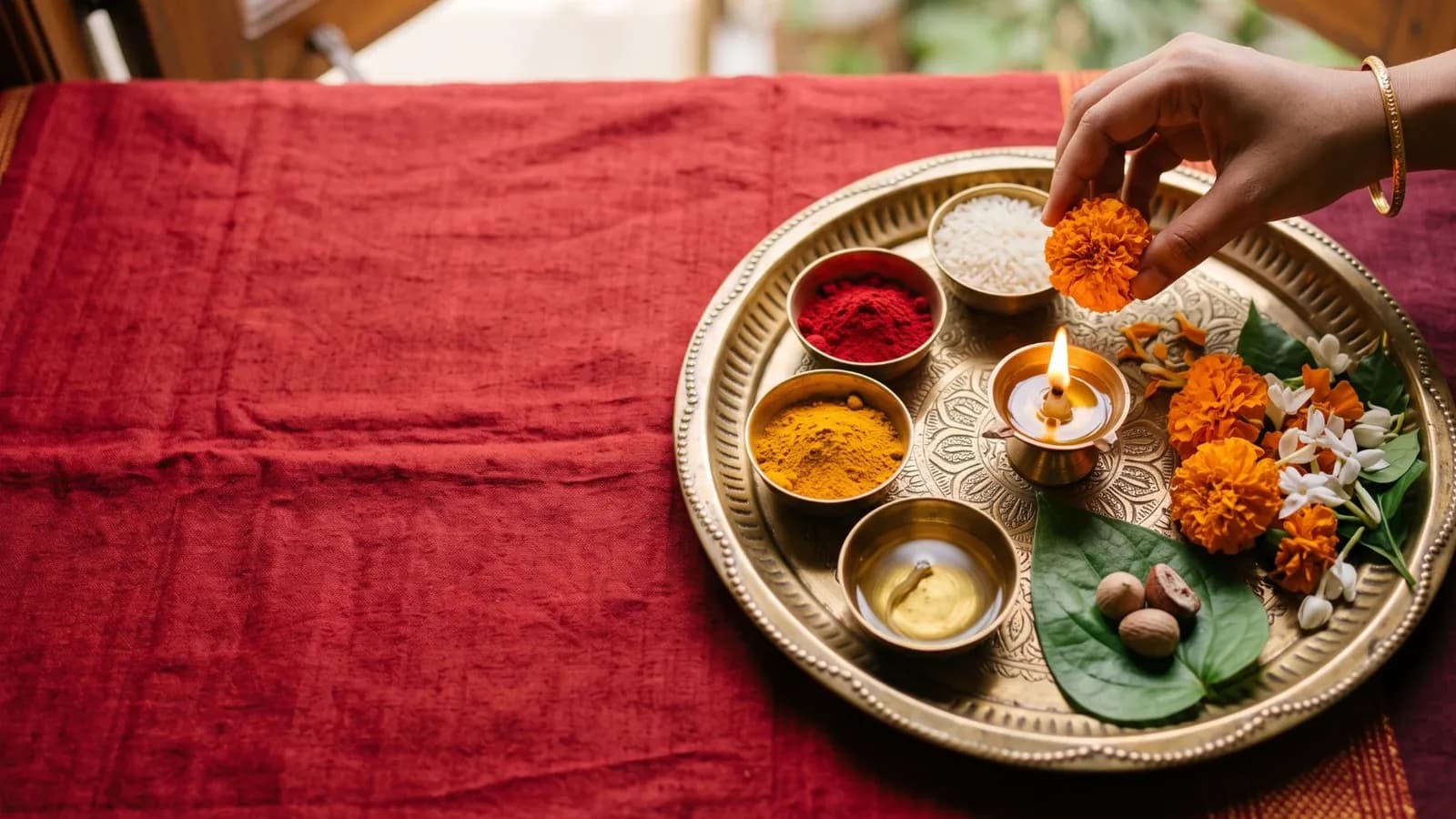
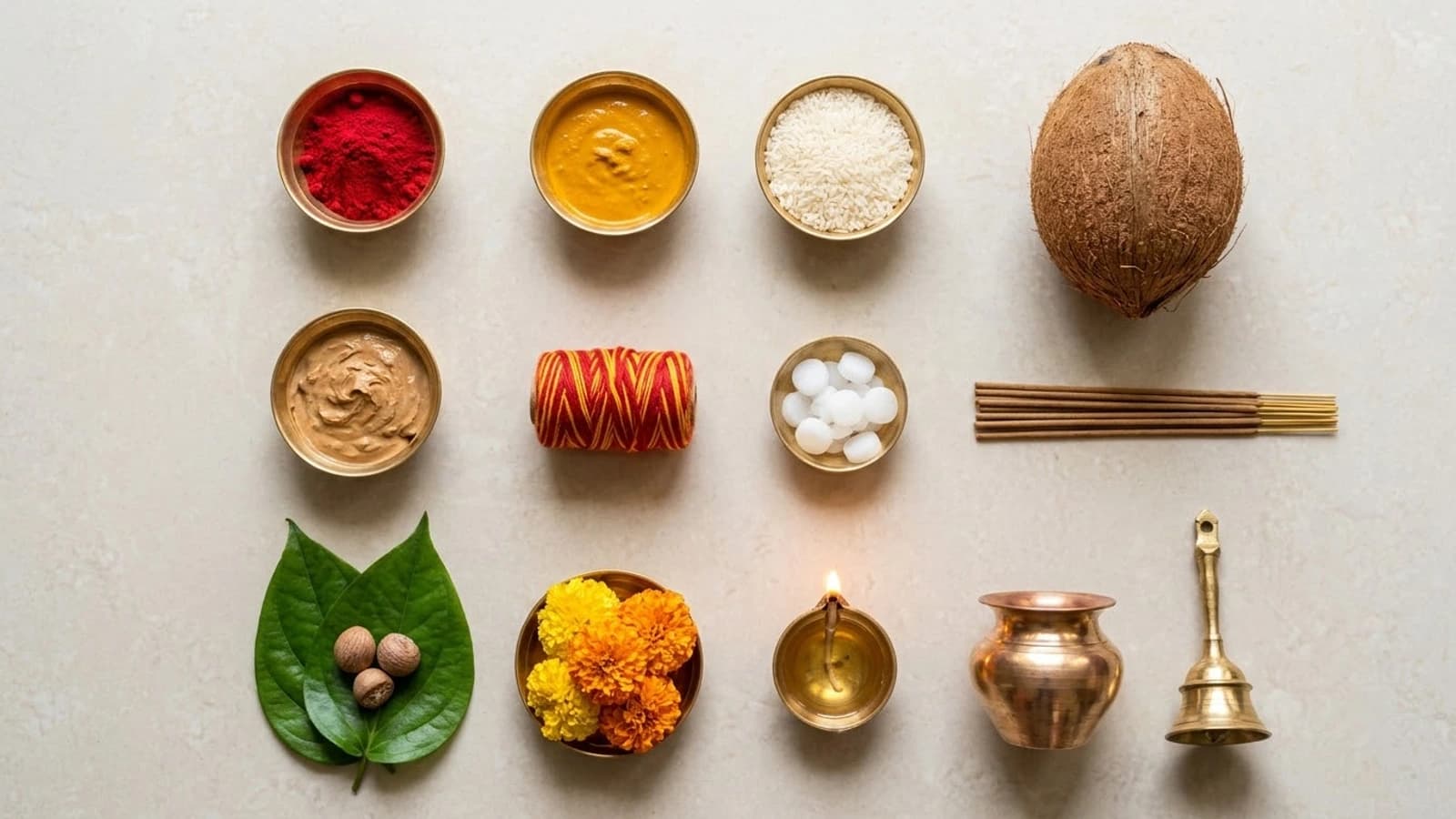
Diwali in 2027 is a five-day run from Dhanteras on 27 October to Bhai Dooj on 31 October. The puja at home guide and the samagri list cover what to prepare.
Windows to know about
Chaturmas, the four months from Devshayani Ekadashi on 14 July to Devuthani Ekadashi on 10 November, is traditionally a period when weddings and house-entry ceremonies are avoided. There is no Adhik Maas (extra lunar month) in 2027. Venus is combust, and so unavailable for weddings, from 21 July to 9 September, and Jupiter from 17 August to 13 September, using the published Delhi dates. The muhurat 2027 guide lists the dates that remain.
Where the dates came from
Each festival date was checked three ways: against the tithi and nakshatra for that day in Aroha's month panchang, against the Sun's sign changes calculated by the engine for the Sankranti festivals, and against a published almanac for New Delhi. They agreed except where a festival's rule uses a time other than sunrise, which is expected. Regional festivals such as Onam and Pongal follow solar or regional calendars, and a few communities keep their own dates for the others, so confirm with your family priest or local calendar.