Two people can share the same Lagna, the same Moon sign and even the same nakshatra, and still live very different years. Classical Parashari astrology reads the broad shape of a chart beautifully, but it can struggle to separate charts that look almost identical. Krishnamurti Paddhati (KP), the system developed by Prof. K. S. Krishnamurti in the twentieth century, was built to do exactly that: add finer resolution, and ask a yes-or-no question of every area of life.
The one idea behind KP: the sub lord
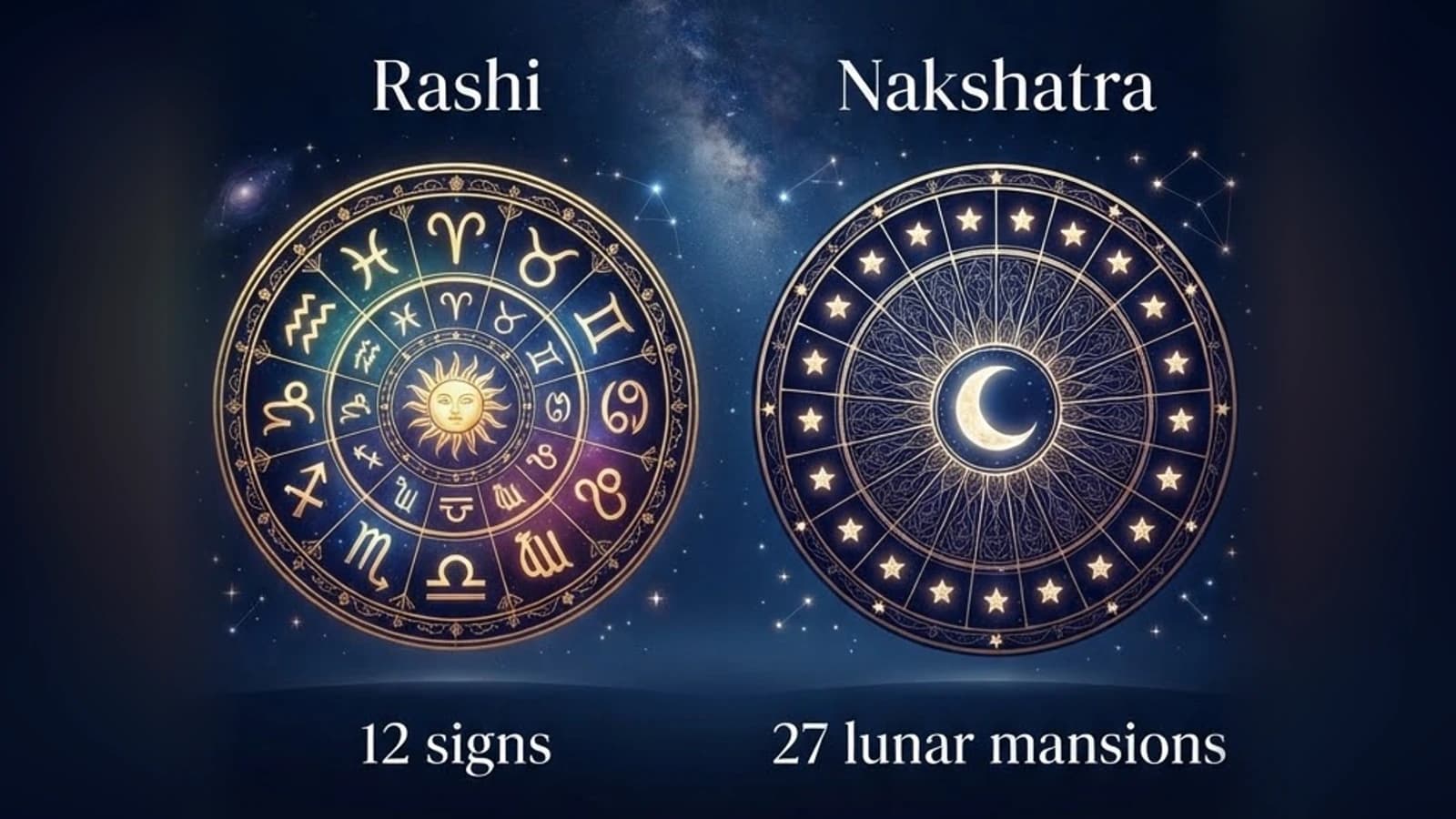
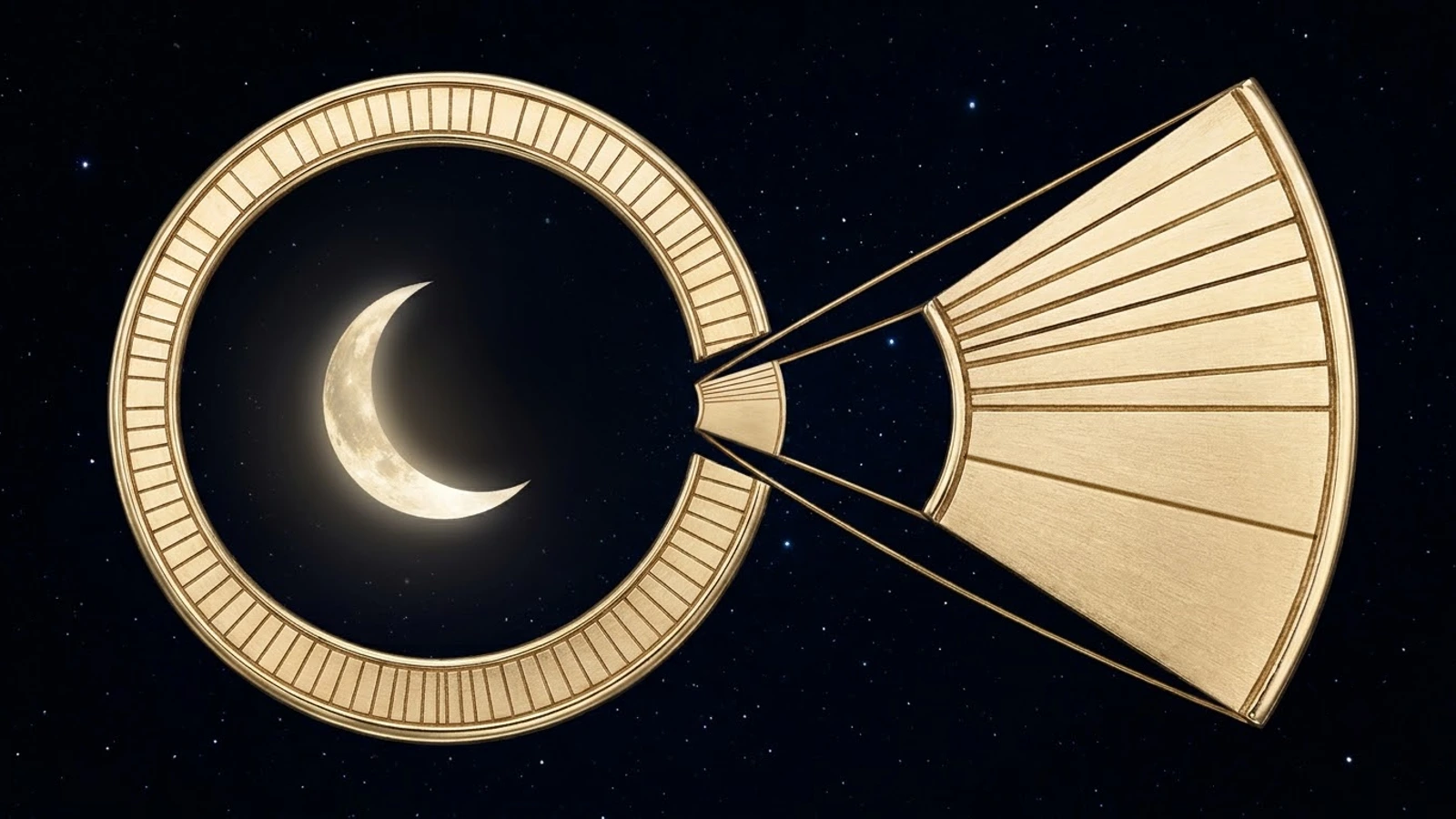
Every nakshatra spans 13°20'. In Vedic astrology, each nakshatra already has a ruling planet: its star lord (Ashwini is Ketu's, Bharani is Venus's, and so on around the zodiac).
KP goes one step further. It divides each nakshatra into nine unequal slices, one for each graha, in the same proportions as the Vimshottari Dasha years: Venus gets the widest slice (20 of 120 parts), the Sun the narrowest (6 of 120). The planet that rules the slice a point falls in is its sub lord. The first slice of every nakshatra always belongs to its own star lord, and the sequence continues in dasha order from there.
That gives every degree of the zodiac a three-part identity:
- Sign lord: the broad field the point sits in
- Star lord: the nature of what it delivers
- Sub lord: the decider: whether the matter succeeds or not
That last line is the heart of KP. The planet is the channel, the star lord colours the result, and the sub lord settles the outcome.
Why KP uses Placidus house cusps
Most Vedic charts you see use whole-sign houses, where each house is simply one sign. KP instead works with house cusps, exact degrees where each house begins, calculated with the Placidus system, and with its own ayanamsa (the Krishnamurti ayanamsa, a few arc-minutes from Lahiri).
Because a cusp is an exact degree, it has an exact sub lord. That cuspal sub lord is what KP reads for each area of life. The cusps move quickly: the Ascendant crosses a whole sign in about two hours, so a few minutes of birth time can move a cusp into a different sub. That sensitivity is precisely what lets KP tell twins apart, and it is also why an accurate birth time matters more in KP than almost anywhere else.
Significators: which planets can deliver which houses
KP then asks which planets are connected to each house, in four grades of strength:
- Planets sitting in the star of a planet that occupies the house (strongest)
- Planets occupying the house
- Planets sitting in the star of the house's owner
- The owner of the house itself
Rahu and Ketu get special treatment: a node acts as an agent for the sign it sits in and for any planet it is conjoined with, so it can deliver their results too.
An empty house is never "dead" in KP: its owner and the planets in the owner's star still carry it.
Promise first, timing second
Every KP judgement runs in the same order:
- Promise: Does the sub lord of the relevant cusp signify the houses this matter needs? For marriage that is houses 2, 7 and 11 (judged from the 7th cusp); for a job, 2, 6 and 10 (from the 10th); for foreign travel, 3, 9 and 12 (from the 12th). If the sub lord doesn't connect, the matter is slow or needs more effort: no period can deliver what the chart does not promise.
- Timing: Which of your running dasha, bhukti and antara lords signify those same houses? The event tends to arrive when they line up.
- Confirmation: Do the slow transits of Jupiter and Saturn, read through their star and sub lords, support the same houses? And do the Ruling Planets of the moment (the weekday lord, the Moon's sign and star lords, and the Ascendant's sign and star lords) agree?
Reading a year the KP way
This is what makes KP so well suited to a year-ahead reading. The promise for each life area barely changes: it is fixed at birth. What changes month to month is which bhukti and antara lords are running and where the slow planets are. Put the two together and a year naturally breaks into stretches: months where career lords line up, months that favour family, months better spent resting and consolidating.
Our KP Year Ahead report in the Aroha app does exactly this for the twelve months from the day you order it. It computes your chart on the Krishnamurti ayanamsa with Placidus cusps, judges eight life areas from their cuspal sub lords, walks every antara of the year against them, confirms with Jupiter, Saturn, Rahu and Ketu, and turns it into a month-by-month guide. You can also type up to three questions of your own while ordering (a job change, a marriage, a move abroad) and each is judged from the right cusp and answered in the report. (Questions about death, lifespan or self-harm are not answered, in the app or anywhere on Aroha.)
A note on schools
KP has grown since Krishnamurti's own Readers. Later practitioners added extended Ruling Planet sets and the "four-step" method of layering star and sub significations. These are useful, but they are later developments: a careful reading should say which rules it follows rather than blending them silently. Aroha's KP report follows the classical core: the five Ruling Planets, the four significator grades, and the promise-then-timing order described above.
Like every astrological method, KP describes tendencies and timing, not certainties. Used well, it is less a verdict than a calendar: a way to know when to push, and when to wait.