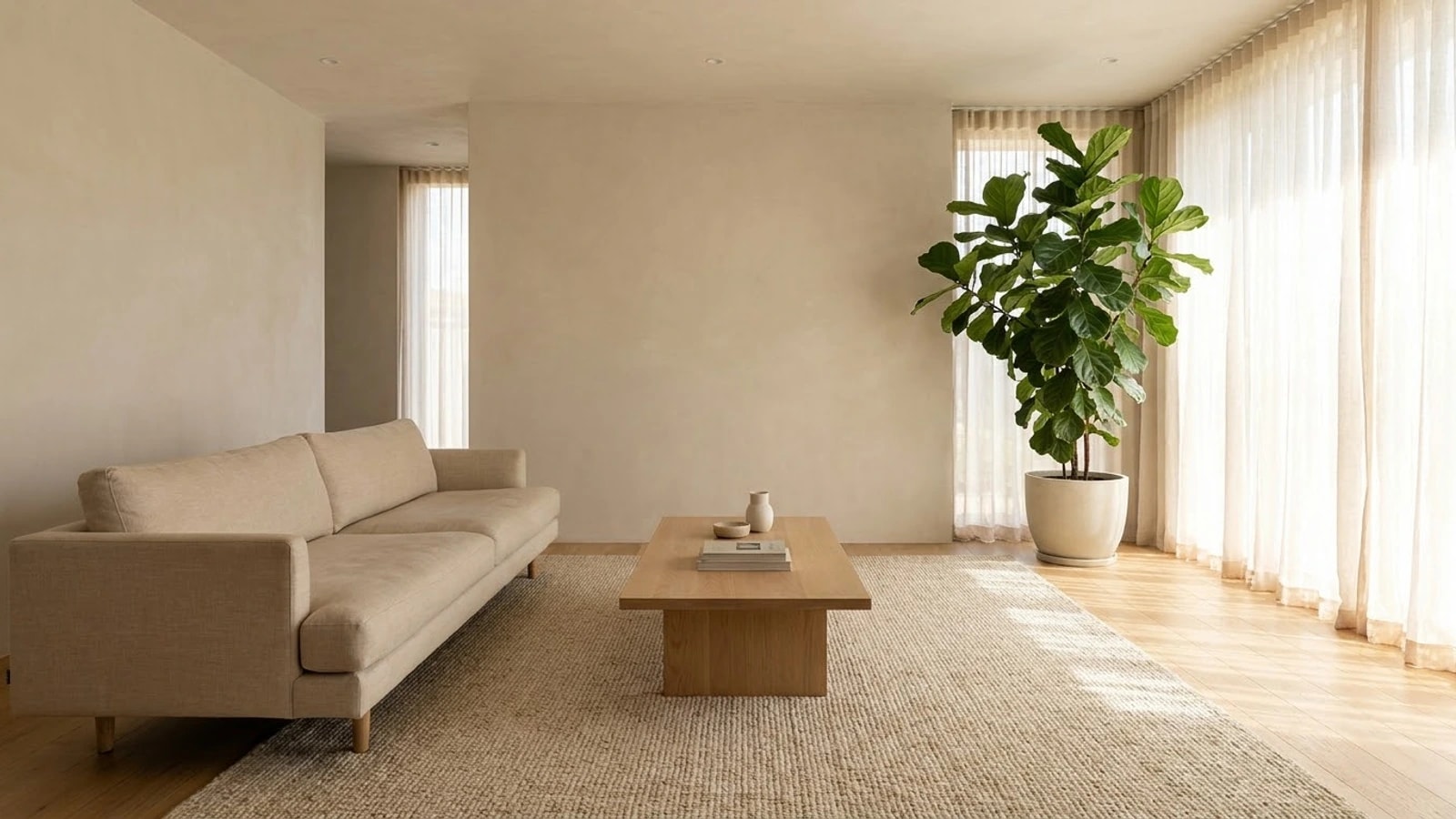
The living room is the most public room in a home: where guests are received, where the family gathers and, in most flats, the first room you enter. Vastu treats it accordingly. The guidance is about openness towards the north and east and weight towards the south and west.
Where the living room goes
| Living room in the | Traditional view |
|---|---|
| North | Favoured; associated with openness and prosperity |
| East | Favoured; morning light |
| North-east | Favoured, as long as it stays light and uncluttered |
| North-west | Common and acceptable; associated with movement and guests |
| South-west | Less favoured; traditionally reserved for the master bedroom |
Furniture: heavy to the south-west, light to the north-east
The same principle that governs the whole home applies inside the room. Treat the living room as a small plan with its own eight directions:
| Item | Traditional placement |
|---|---|
| Sofa and heavy seating | Along the south or west walls |
| Seating direction | Seated people face north or east |
| TV, speakers, electronics | South-east part of the room |
| Heavy cabinets, bookshelves | South or west walls |
| Plants, light decor | North or east; north-east kept especially light |
| Centre of the room | Open, with only a low table if any |
| Staircase (in a duplex) | South, west or south-west, rising clockwise |
The north-east corner
This is the corner most practitioners care about. Keep it clean, light and uncluttered: a plant, a window, a light-coloured wall. Popular guidance sometimes suggests a small water feature or aquarium in the north or north-east, which is consistent with Vastu's association of the north-east with water. It's an option, not a requirement.
The centre
The middle of the room, like the centre of the home, is traditionally kept open. A heavy central coffee table, a pillar or a pile of furniture in the middle of the room goes against that idea. A rug and a low table are fine.
Light, colour and atmosphere
- Windows on the north and east are favoured, for gentle daylight.
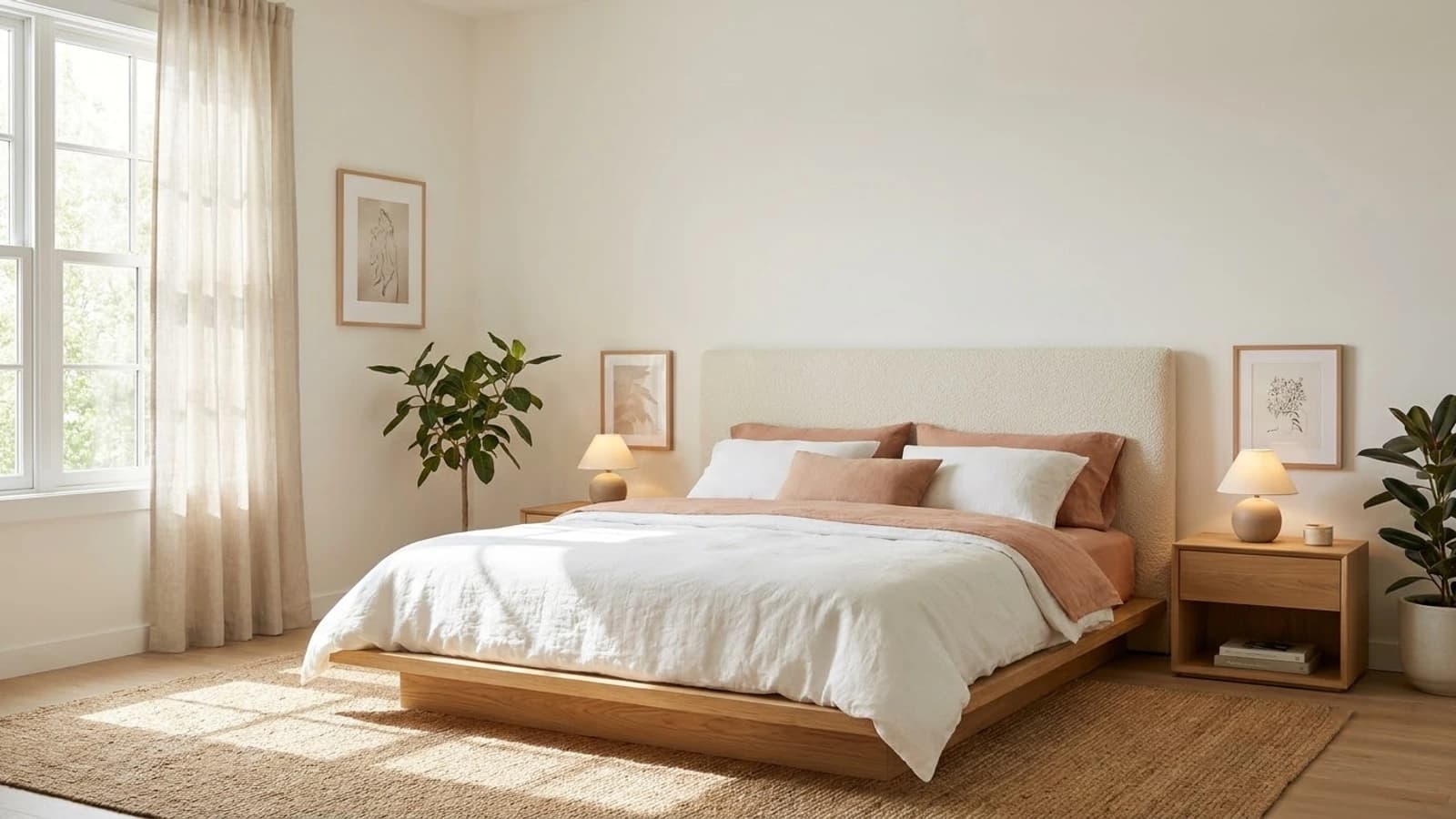
- Light, warm colours: whites, creams, soft yellows and light greens are the usual suggestions.
- Lighting: a bright, well-lit living room is preferred to a dim one.
- Images and art: popular Vastu advice favours calm, positive images over scenes of conflict or sorrow. That's as much about the mood of a room as about tradition.
In a combined living and dining room
Most flats have one long living-dining space. A practical way to apply Vastu there:
- Put the seating area towards the north or east half, near the entrance.
- Put the dining table towards the west half. West is the traditional dining zone.
- Keep the path from the entrance through the room clear, so you're not walking around furniture to get in.
Keeping it practical
Living room Vastu is one of the easiest areas to apply because it's mostly about furniture, and furniture moves. Try the sofa on a different wall, clear the north-east corner and see how the room feels. If it works for you, keep it. If it doesn't, the tradition itself is flexible: practitioners disagree on details, and no reading requires you to live in a room that doesn't suit your family.
Aroha Vastu, available on Android and the web in the Aroha Astrology app, shows your living room's zone on your own plan. Furniture placement in 3D is coming soon.