Navratri is nine nights of worship of Goddess Durga in her nine forms. In 2027, Sharad Navratri begins on 30 September with Ghatasthapana and ends with Vijayadashami on 9 October, for New Delhi.
Navratri dates in 2027
Two Navratris are widely observed, in spring and autumn. These 2027 dates for New Delhi come from the Hindu festivals 2027 guide:
| Date | Festival |
|---|---|
| Wednesday, 7 April | Chaitra Navratri begins |
| Thursday, 15 April | Rama Navami |
| Thursday, 30 September | Sharad Navratri begins (Ghatasthapana) |
| Thursday, 7 October | Durga Ashtami |
| Friday, 8 October | Maha Navami |
| Saturday, 9 October | Vijayadashami (Dussehra) |
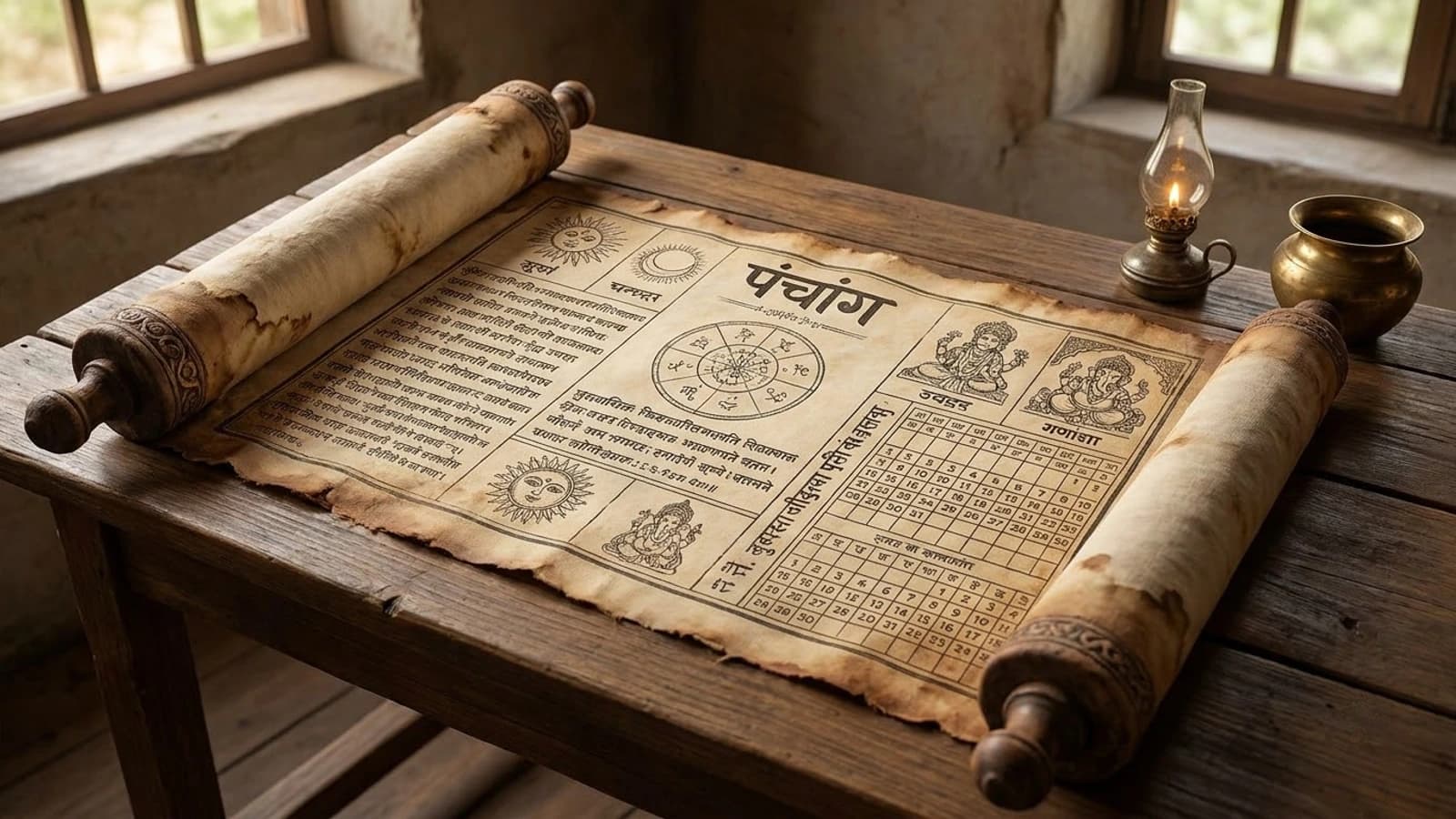
A city far from Delhi can differ by a day, so check today's Panchang for yours.
The nine forms of Durga
Each night is linked with one form of the goddess, worshipped in this order: Shailaputri, Brahmacharini, Chandraghanta, Kushmanda, Skandamata, Katyayani, Kalaratri, Mahagauri and Siddhidatri. Families often mark each day with a colour and a simple offering, and the customs vary by region.
How families keep Navratri at home
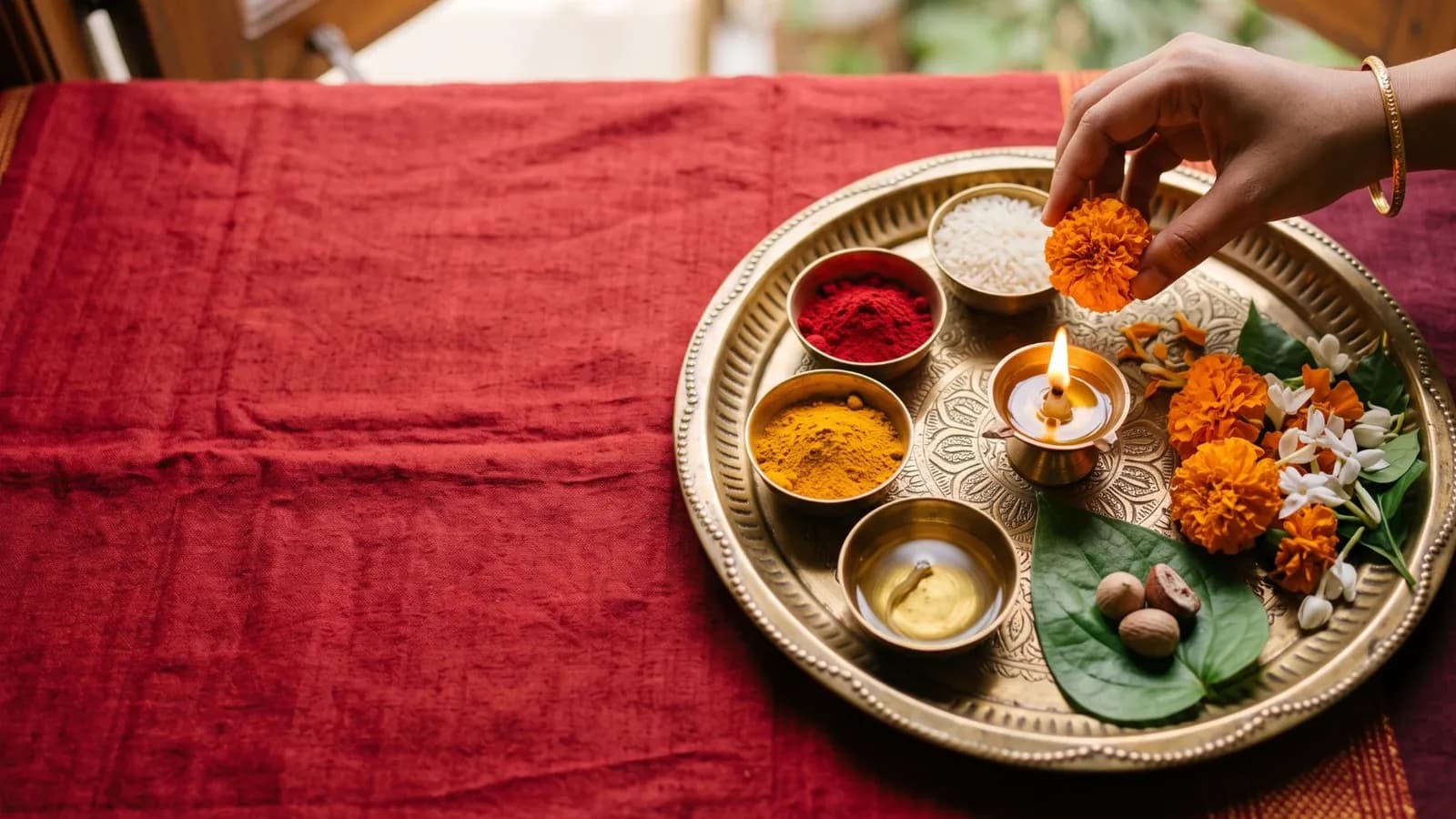
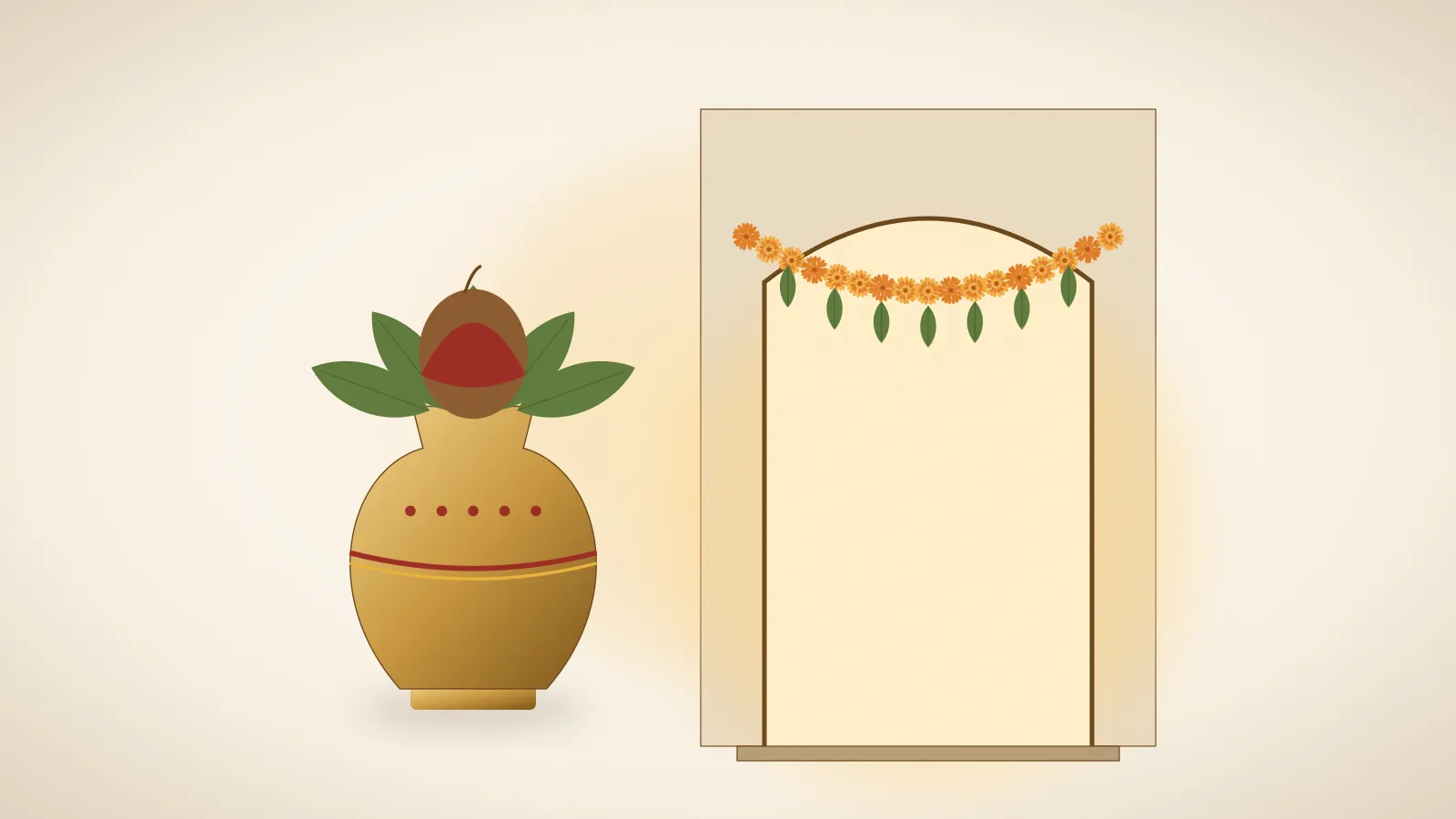
A common pattern is Ghatasthapana on the first day, with a kalash and sometimes barley sprouted in a clean pot, then a daily lamp, flowers and a short worship of the goddess, often with a devotional text or aarti. Many fast or eat simply, and on Ashtami or Navami some families worship young girls as a form of the goddess and share a meal.
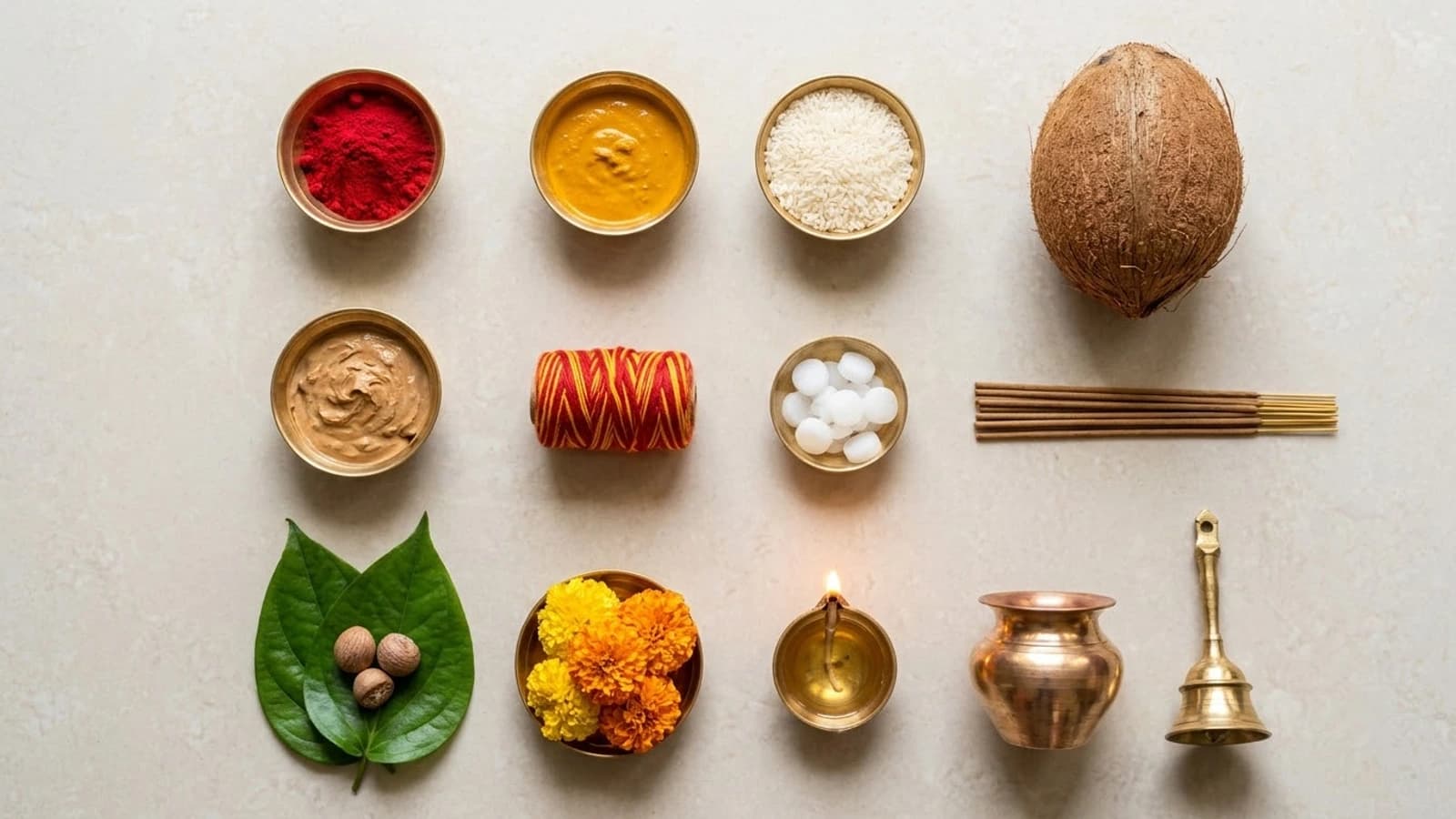
The puja at home guide covers the shared steps, and the samagri list lists common items.
Setting up the space
A clean corner or the home's pooja space serves. The pooja room Vastu guide covers where the altar is traditionally placed.
Choosing the Ghatasthapana time
The kalash is traditionally set up on the first day in a favourable part of the day, which depends on the tithi, the nakshatra and your city. The Panchang guide explains how those are read.
Check the day
Aroha Puja, coming soon, is being built to help you book a pandit for a puja at home. To check today's tithi, open today's Panchang.